



Differentiated instruction resources
Differentiation, or tailoring classroom instruction, can help meet your students’ diverse needs when delivered effectively. By adjusting elements of instruction, such as content, process, and learning activities, teachers can provide students with appropriate support and opportunities to make progress toward their learning goals.
Differentiation allows for you to give an individualized approach in the classroom despite classroom size and there are many ways to make it engaging, fun, and successful. Read the differentiated instruction articles below to find new strategies to implement in your classroom.
The articles below are organized into the following categories:
- Differentiated instruction basics
- Differentiated instruction for reading and writing
- Differentiated instruction in math
- Differentiation strategies for the classroom
- Personalized and adaptive learning
- Scaffolding and sentence frames
- Differentiation strategies to support all students
- Small group differentiated instruction
Differentiated instruction basics
Build a foundation for differentiated instruction with resources that explore what differentiation is, why it matters, and what it can look like in the classroom.

What is differentiated instruction in the classroom? The answer is key to ensuring all learners get the support they need. Here, we break down the process.

Understand UDL vs. differentiated instruction and how to use each to instruct and assess students in the classroom

Learn more about the four key elements of differentiation—content, process, product, and learning environment—and how they can guide your differentiated instruction in the classroom.

Find out how to get started with a differentiated curriculum in your classroom.

How to differentiate instruction for students in the classroom is not straightforward. Here we breakdown the process for you.

Explore the challenges of differentiated instruction and how technology can help. Using technology to differentiate instruction assists in automating the process.

Learn how to write a differentiated lesson plan and find helpful resources, including a lesson plan template.

Learn the benefits of differentiated instruction to meet the learning needs of all students.

Find out the answer to the question, “Why is differentiated instruction important?” Plus, receive tips on differentiation from an educator.
Differentiated instruction for reading and writing
Strategies and resources for differentiating reading and writing instruction to meet students’ varied learning needs.

Learn about differentiated reading strategies you can use to drive better learning outcomes.

Create a welcoming space to support your growing writers with the these 5 classroom writing center ideas.

Writing conferences are one-to-one conversations and give teachers a crucial opportunity to meet each student’s individual needs.

Try these free graphic organizers for reading comprehension for all grade levels to help students visually organize their thoughts about literature.

As an educator, you may ask, how can you engage students in reading? Try these five strategies to boost enjoyment and engagement in literacy.

This article shares ideas on how to integrate the science of reading and evidenced-based instructional techniques in small-group reading instruction.

The most productive literacy block schedules include various reading and writing activities and instruction to help build foundational skills.

Get tips from JillE Literacy authors and literacy expert Jill Eggleton on small-group reading instruction, which enables teachers to observe students more closely and customize instruction based on their individual needs.

Reading instruction that meets the individual needs of students should be the focus in each and every one of our classrooms.
Differentiated instruction in math
Resources for providing multiple pathways into math concepts while offering the right level of support and challenge.

Math engagement strategies to help K-12 teachers engage students and optimize their math instruction
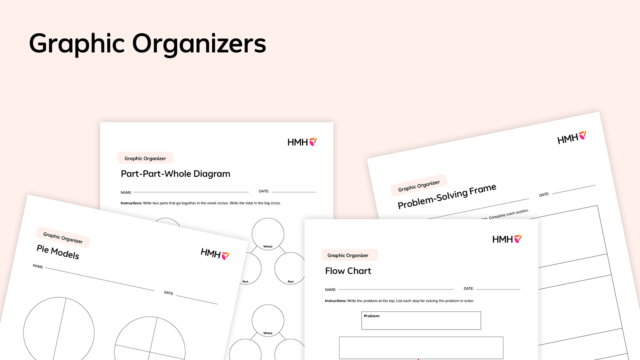
Explore our range of free math graphic organizers you can start using at any time in your classroom.

Classroom math center ideas and activities for K-8 students to engage in small-group math activities.

Try these 7 small-group math activities and lessons to make math learning fun and improve student outcomes

Considering a shift to the guided math workshop model? Read tips for implementing a math workshop in your elementary or middle school classroom.

Learn about and use math choice boards for elementary school, with templates for kindergarten through 5th grade
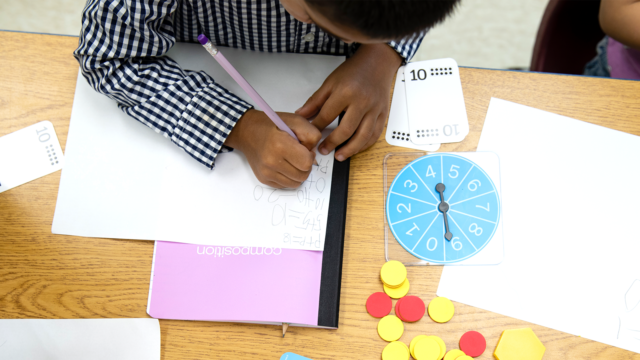
These strategies provide differentiated math instruction to K-12 teachers looking for ways to personalize their mathematics teaching.

Scaffolding learning comprises many techniques that allow you to provide extra support to your students and help them bridge learning gaps.

This list of differentiation instructional strategies for middle school math teachers gives ideas for students of all backgrounds to engage in math.
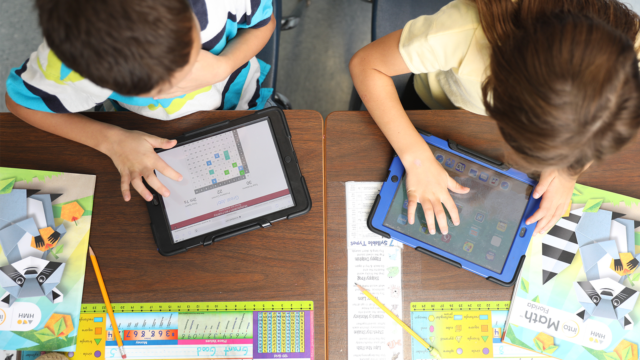
These small group instructional strategies for the math classroom will help ensure your small groups in math class are effective for you and beneficial for students.

Timothy D. Kanold highlights the importance of small-group student discourse in the math classroom, with details on formative and differentiated student learning.
Differentiation strategies for the classroom
Practical differentiation strategies for adapting instruction, activities, and learning experiences to student needs.

Learn what the jigsaw method of teaching is, how it works, and practical tips for using this strategy to build collaboration and support all learners.

Use these free graphic organizer templates to help your students communicate more effectively by classifying ideas, structuring writing projects, and more.

What are tiered assignments in education? Learn how this differentiated instruction strategy meets students at every readiness level.

Find out the answer to the question, “What is a gallery walk in education?” Plus, get gallery walk examples and activities ideas.

Discover engaging think-pair-share activities, instructions, rubrics, and examples to boost classroom collaboration and learning.

Discover how using the turn and talk strategy in the classroom can boost engagement, support formative assessment, and enhance student learning.

Learn about what is think-pair-share in teaching and how to use this collaborative learning strategy in your classroom.

Here we provide differentiated instruction strategies and examples that teachers can use to ensure students have choices for the way that they learn new information, practice skills, and demonstrate understanding.

Try creating choice boards for students. These activity menus are a great way to differentiate learning, which can increase student engagement and improve academic outcomes.
Personalized and adaptive learning
Resources on personalized and adaptive learning that respond to individual students’ needs, skills, and progress.

Get the answers to commonly asked questions like, "What is personalized learning and why is it important?" Plus, we provide strategies to reach every learner in your classroom.

Find out the answer to the question, “What is adaptive learning technology?” Plus, discover ways you can use adaptive learning programs in the classroom.

This article walks through differentiated instruction vs. personalized learning, how they work together, and strategies for both.

Explore how personalized learning with AI helps educators tailor instruction, support diverse learners, and improve outcomes at scale.

With diverse learning needs and limits on teachers’ capacity int he classroom, here are six practical strategies for connecting core instruction to tailored intervention and adaptive practice.

Create a personalized learning plan (PLP) that supports student goals, choice, and progress with these guiding principles and a helpful template example.

Learn more about the benefits of personalized learning to help guide you when implementing it in your classroom.

Discover the benefits of technology and personalized learning in the classroom—and digital tools that can automate the personalized learning process.

Learn more about the history of personalized learning. From its early days in the Victorian era, we have seen personalized learning evolve and grow to its present state.
Scaffolding and sentence frames
Scaffolding strategies and sentence frames that provide students with purposeful support as they build skills and independence.

Meet students where they are with these instructional scaffolding examples and strategies that can be applied across subjects and grade levels.

This article explains why to provide scaffolding "just in time," i.e., when students demonstrate the need, not "just in case."

Learn more about scaffolding reading instruction and strategies to implement before, during, and after reading to help students engage with challenging texts.

What is scaffolding and how does it help ELL students? Read to learn about scaffolding for ELL students, including benefits and best practices.

Learn how scaffolding and differentiation for ELL students in math support multilingual learners in accessing grade-level content while strengthening both language development and conceptual understanding.

Learn more about scaffolding writing instruction, a process that provides the support that students need to grow as writers.

Teachers are all too familiar with the challenge of adapting to the needs of every student in the classroom. Knowing when and how to use differentiation vs. scaffolding in instruction can help.

Learn how to use sentence frames for ELL students to support written and oral language development.

Math sentence starters, along with sentence frames and sentence stems, are explained with examples given.
Differentiation strategies to support all students
Resources for creating inclusive learning experiences that recognize and respond to students’ diverse strengths and needs.

Support your ELL students with writing strategies to build confident and capable writers.

See how accessibility can be a made a part of classroom design, especially for neurodivergent students.

Dr. Suzanne Jimenez, HMH's director of academic planning and data analytics, shares insights on differentiated instruction for special education students.

Learn about instructional strategies for ELL students that support multilingual learners in developing stronger language skills and self‑confidence.

Dually identified learners are English language learners who also qualify for special education services. Learn proven strategies and resources to accurately identify and support these students in your classroom.

Find a collection of graphic organizer to help ELL students build vocabulary, compare and contrast, and activate prior knowledge.

Dr. Ivannia Soto specializes in second-language acquisition and systemic reform for English language learners. Here we share the accommodations for English language learners in the classroom that she says work best.

Help prepare ELL students with support resources that benefit your multilingual learners.

Discover six strategies to deliver differentiated instruction for gifted students.
Small group instruction
Strategies and resources for using small-group instruction to provide targeted, differentiated learning experiences.

Discover what is small group instruction and how it can give your students a more personalized learning experience.

Explore 7 small-group intervention strategies, plus download a free lesson plan template to support targeted instruction.

Get the answer to the question, "What is flexible grouping in education?" We also share examples of this instructional practice along with strategies to help you implement it in the classroom.
Try these 7 small-group math activities and lessons to make math learning fun and improve student outcomes
This article shares ideas on how to integrate the science of reading and evidenced-based instructional techniques in small-group reading instruction.

The benefits of small-group instruction are described, including its purpose, importance, advantages, and disadvantages.

Find helpful strategies and activities to help you lead effective small-group instruction your classroom.

An elementary educator and HMH Ambassador shares tips and resources on how to implement small-group instruction in the classroom, including a downloadable small-group lesson plan template.
These small group instructional strategies for the math classroom will help ensure your small groups in math class are effective for you and beneficial for students.
This blog, originally published in 2023, has been updated for 2026.
***
HMH Professional Learning provides coaching memberships to support differentiated instruction in the classroom. Learn more.
Find more lesson plans and classroom resources on Shaped.
Get our free guide to differentiated instruction.